
How Can I Tell If an Investment Offer on Social Media Is a Scam?
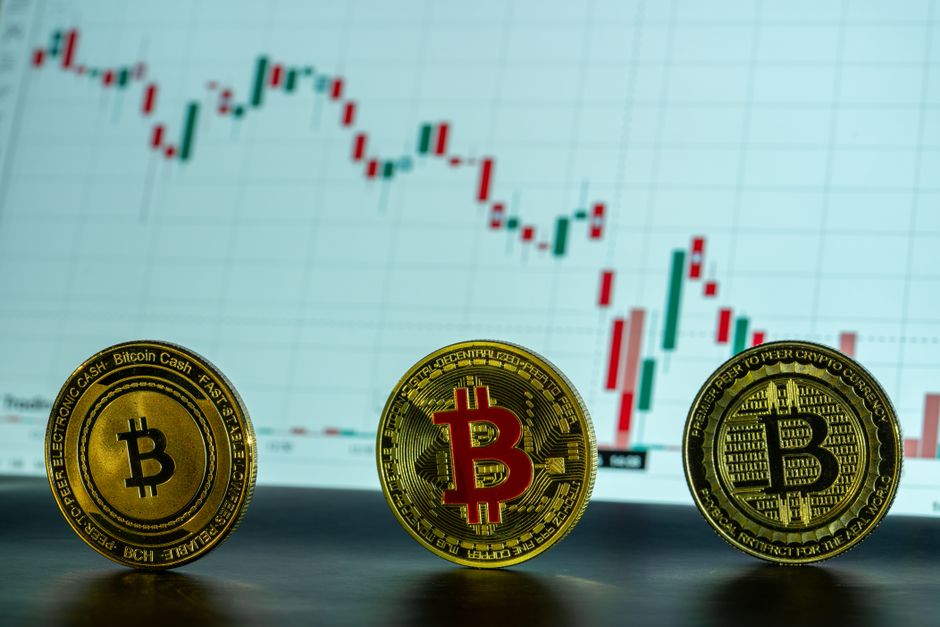
Before sending money, verify the firm and adviser through official regulator records, then contact them using details from a verified Form CRS—not a message or ad. Check that the investment and payment destination match what the firm says. Guaranteed high returns with little or no risk, pressure to pay fees to unlock displayed profits, or requests to send funds to an individual or unknown crypto wallet are serious warning signs. If you already paid, contact the payment provider immediately.
How can I tell if an investment platform is legitimate?
Check the firm, the person offering the investment, the product, and where the money goes. A polished website or app is only a surface. It does not verify who controls it or whether the investment exists.
Search for the firm and professional through official regulator records, then confirm that the person who contacted you is genuinely connected to that firm. The SEC warns that fraudsters can copy real registration numbers and credentials from public databases. A matching name is not proof that a social media account, phone number, or messaging contact belongs to the registered professional.
Use a separate route to verify the contact. According to the SEC’s alert on investment-professional impersonation, investors should check the firm and professional independently and use contact details from the firm’s verified Form CRS. Do not rely on a link or phone number supplied in the pitch.
Then check the offer itself and the destination of the funds. The SEC advises examining whether payment goes to the firm named in the offer or instead to an individual, an unrelated company, or an unknown crypto wallet. A mismatch is a reason to stop and verify through the firm’s independently confirmed contact details.
Separate the evidence into four questions: Does the firm appear in official records? Is this contact truly associated with it? Is the product described by the firm? Does the payment destination fit? One reassuring answer cannot settle the other three.
Are guaranteed returns a sign of an investment scam?
Yes. A promise of high guaranteed returns with little or no risk is a classic sign of investment fraud, according to the SEC’s Gateway to Investment Scams alert. The SEC states, “Every investment involves risk, and the potential for high returns usually comes with high risk.”
Pay close attention to what happens when you try to withdraw. Fraudsters can show rising profits on a sham platform, then demand a fee, tax, or extra deposit before releasing the displayed balance. A number on a screen is not proof that money is invested or available to withdraw.
The SEC has described an alleged scheme in which victims saw false high returns and were asked to pay fees when they tried to withdraw. The same warning applies when a promoter says a government agency froze the account and payment is needed to unlock it. Paying the supposed charge does not establish that the displayed profits are real.
Do not let one piece of convincing evidence do the work of verification. A website can look polished; an app can show a balance; a message can use the name of a real adviser. The SEC warns that fraudsters use fake websites, spoofed phone numbers, and AI-generated material, including cloned voices and deepfake videos. Confirm the person and offer through independently sourced firm contact details.
Can I trust investment ads I see on Reddit or Facebook?
No social media ad or group chat establishes that an investment is legitimate. The SEC warns that ads can lead users into investment group chats where fraudsters impersonate known financial experts, including with AI-generated deepfakes.
Do not treat familiarity as verification. A profile may use a real professional’s name, copied credentials, or a convincing video. The SEC also warns that scammers use platforms including Facebook, LinkedIn, and WhatsApp, as well as fake websites and spoofed phone numbers. Move verification away from the message thread: find the firm independently and contact it through details in its verified Form CRS.
If you already sent money, act quickly and keep a record. The Federal Trade Commission’s guidance for people who were scammed says to contact the bank, credit union, payment app, wire-transfer company, card issuer, crypto exchange, or ATM operator used and ask whether the transaction can be reversed or refunded. For bank transfers, Zelle, and payment apps, report the payment to the provider immediately and ask it to reverse the payment. For crypto, contact the exchange or ATM operator promptly; crypto payments lack the same legal protections as credit and debit cards, and recovery can be difficult.
Secure accounts connected to the incident. If you shared a password, change it and any reused passwords, then turn on two-factor authentication. If you exposed Social Security information, the FTC directs people to IdentityTheft.gov. Keep messages, names, contact details, website addresses, payment-account information, transaction hashes or deposit addresses, timelines, and screenshots. FINRA recommends preserving these details and promptly reporting investment fraud to relevant regulators and law enforcement, including the SEC, FINRA, FTC, the FBI’s Internet Crime Complaint Center, and state authorities as applicable.
Recovery is not guaranteed. FINRA cautions that perpetrators often dispose of money quickly and that victims can be targeted again by people claiming they can retrieve lost funds. The FTC says recovery scammers demand upfront retainers, processing fees, taxes, or other payments. Government agencies and legitimate organizations do not charge a fee or guarantee recovery. Do not provide account or personal information to someone offering recovery for a fee; report these approaches at ReportFraud.ftc.gov.
Frequently Asked Questions
How do I check whether an investment adviser is registered?
Search for the firm and adviser through official regulator records, then independently confirm that the person contacting you is affiliated with the firm. The SEC warns that scammers copy real registration numbers and credentials, so a match alone does not verify the contact. Use details from the firm’s verified Form CRS to reach it.
What should I do after sending money to a fake investment platform?
Contact the bank, card issuer, payment app, wire-transfer company, crypto exchange, or ATM operator you used and ask whether the payment can be reversed or refunded. Change any compromised or reused passwords, turn on two-factor authentication, and preserve messages, payment details, and screenshots. Report the incident to relevant regulators and law enforcement, and refuse requests for upfront recovery fees.
Sources
- SEC Investor.gov: Beware of Fraudsters Impersonating Investment Professionals and Firms
- SEC Investor.gov: Gateway to Investment Scams
- Federal Trade Commission: What To Do If You Were Scammed
- FINRA: Recovering from Investment Fraud
- Federal Trade Commission: Refund and Recovery Scams
Disclaimer: This article is for general information only and is not financial advice. It does not take your personal circumstances into account, and past performance does not predict future results. Speak to a licensed financial professional before making money decisions.
Read next
Compare High-Yield Savings Accounts Beyond the Headline APY
Compare savings APYs with eligibility rules, minimums, promotions, fees, transfer limits, and deposit insurance before judging an account’s value.
Where Should I Keep Money I Will Need in 10 Years?
Compare savings accounts, CDs, bonds, and investments for a future goal by weighing access, inflation, and the risk of loss.
How Should I Finance a Failed HVAC Replacement Without Chasing the Lowest Payment?
Compare HVAC financing, utility on-bill repayment, personal loans, and HELOCs by total cost, terms, fees, and risk, not payment alone.
Is 0% HVAC Financing Actually Interest-Free?
Learn how to spot deferred-interest HVAC offers, calculate a payoff buffer, and compare a contractor’s financing terms before signing.