
What Oxygen Level Is Normal for Someone With COPD?
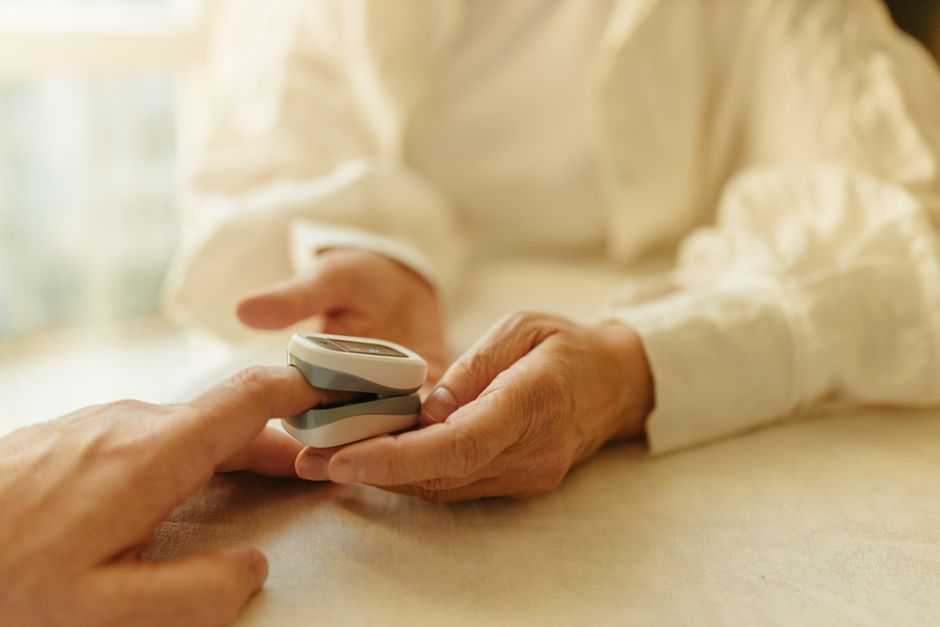
For someone with COPD, there is no single home pulse-oximeter number that fits everyone: the right target depends on clinical assessment and the plan set by the care team. The American Thoracic Society classifies resting oxygen saturation of 89–93% as moderate chronic hypoxemia and 88% or lower as severe, but a lone reading does not diagnose a problem. Repeat an unexpected result, follow your prescribed oxygen plan, and act promptly on severe symptoms.
What oxygen level is normal for someone with COPD?
For someone with COPD, “normal” is the target set for that person by their care team, rather than a universal number. The U.S. Food and Drug Administration says oxygen saturation is 95–100% for most healthy people, but readings may be lower for people with lung or heart problems.
The American Thoracic Society (ATS) gives useful clinical categories for chronic resting oxygen levels: 89–93% is moderate chronic hypoxemia, while 88% or lower is severe chronic resting hypoxemia. An SpO2 of 89% may also fall into the severe category if accompanied by edema, hematocrit of at least 55%, or evidence of P pulmonale on an ECG. These are clinical definitions, not a home checklist for changing treatment.
The distinction matters. For adults with COPD in the moderate range, the ATS suggests against routine long-term oxygen therapy. For severe chronic resting hypoxemia, it recommends long-term oxygen therapy for at least 15 hours a day. The guideline also suggests titrating long-term oxygen to a target saturation of 90% to reduce prolonged desaturation during minimal activity. Those recommendations depend on a clinician's assessment, not one reading from a device at home.
Assessment can include blood testing, pulse oximetry, and an exercise or walking test, according to the NHS guidance on home oxygen. If you have a prescribed target, use that as your reference. If you do not know your target or what to do when a reading is outside it, ask your clinician for a written plan.
Is an oxygen saturation of 88% dangerous with COPD?
An oxygen saturation of 88% is a value the ATS includes in its definition of severe chronic resting hypoxemia, but one home reading alone cannot establish what is happening or determine the right response. A low number should be checked against your symptoms, your personal instructions, and whether the reading is steady and repeatable.
Before reacting to an unexpected result, take a careful repeat measurement. The FDA advises keeping your hand warm, relaxed, and still; removing nail polish from the measured finger; and waiting for a steady number. Poor circulation, skin pigmentation, skin thickness and temperature, tobacco use, and nail polish can affect accuracy. A pulse oximeter estimates blood oxygen without a blood sample, but the display is still an estimate—not a complete clinical assessment.
Use a simple sequence: settle your hand, wait for a stable display, and note the result alongside how you feel. If the repeated number remains below your clinician's stated target, follow the action plan you were given or contact your care team for instructions. Don't treat the ATS threshold as permission to set your own oxygen flow or to dismiss a number that is unusual for you.
The ATS recommends long-term oxygen therapy for severe chronic resting hypoxemia and suggests a 90% titration target for people receiving long-term therapy. That guidance does not mean every person with COPD should aim for the same number at every moment. Your prescription and care-team instructions are the working reference.
When should I call a doctor about a low oxygen reading?
Call emergency services or seek immediate medical care for severe shortness of breath at rest, chest pain, coughing blood, blue or gray lips, fingertips, or nails, or confusion. The American Lung Association lists these as red-zone signs in its COPD action plan; extreme fatigue, a racing heart rate, fever, or being unable to sleep or do activities because breathing is difficult are also red-zone symptoms.
Symptoms can change the response even when the device reading seems familiar. The American Lung Association says the red zone calls for immediate medical care. If symptoms are severe, do not delay emergency care while repeatedly checking the oximeter.
For worsening symptoms that do not improve after following your prescribed action plan, contact your healthcare provider, as the American Lung Association advises. When you call, share the readings you observed, whether they were steady or repeated, what symptoms changed, and what instructions you have already followed. That gives the clinician a clearer picture than a number by itself.
Do not increase, decrease, or start oxygen on your own in response to a single reading. The NHS says home oxygen should only be used when prescribed by a GP or specialist and that patients should follow their instructions. It warns that using oxygen without a prescription can be dangerous and can damage the brain, heart, and lungs. If your existing plan does not explain what to do with a low reading, ask the prescribing clinician to clarify it before a problem arises.
Frequently Asked Questions
Can a pulse oximeter give a false reading?
Yes. The FDA says poor circulation, skin pigmentation, skin thickness and temperature, tobacco use, and nail polish can affect accuracy. Warm your hand, keep it relaxed and still, remove nail polish from the measured finger, and wait for a steady number before interpreting the result.
Should I increase my oxygen flow if my reading is low?
Do not change prescribed oxygen flow based only on one home reading. Home oxygen should be used as prescribed, and your clinician's instructions should guide adjustments. Repeat an unexpected measurement and contact your care team for guidance.
Why might my oxygen level drop when I sleep or walk?
The provided sources note that oxygen needs can be assessed with an exercise or walking test, and the ATS discusses prolonged desaturation during minimal activity. They do not specify all causes of changes during sleep or walking. Tell your care team when the drop occurs so it can assess your needs.
Sources
Disclaimer: This article is for general information only and is not medical advice. It is not a substitute for diagnosis or treatment by a qualified healthcare professional. Always speak to your doctor before acting on anything you read here.
Read next

Can Physical Therapy Help With Leg Weakness?
Learn what physical therapy may address, what an assessment involves, and which leg-weakness symptoms need urgent medical evaluation.
How Do I Find the Best Hospital for Knee Replacement Near Me?
Compare knee replacement hospitals using quality data, procedure experience, recovery planning, and confirmed insurance coverage.
How Can I Improve Balance When My Feet Are Numb From Peripheral Neuropathy?
A practical guide to fall-risk assessment, exercise, footwear, mobility aids, and urgent warning signs for numb feet from neuropathy.

How Can I Tell Neuropathy Symptom Relief From the Evaluation I Need?
How to separate neuropathy pain relief options from the medical evaluation needed for burning, tingling, or numb feet.