
How Can I Get Bathroom Remodel Grants for Seniors?
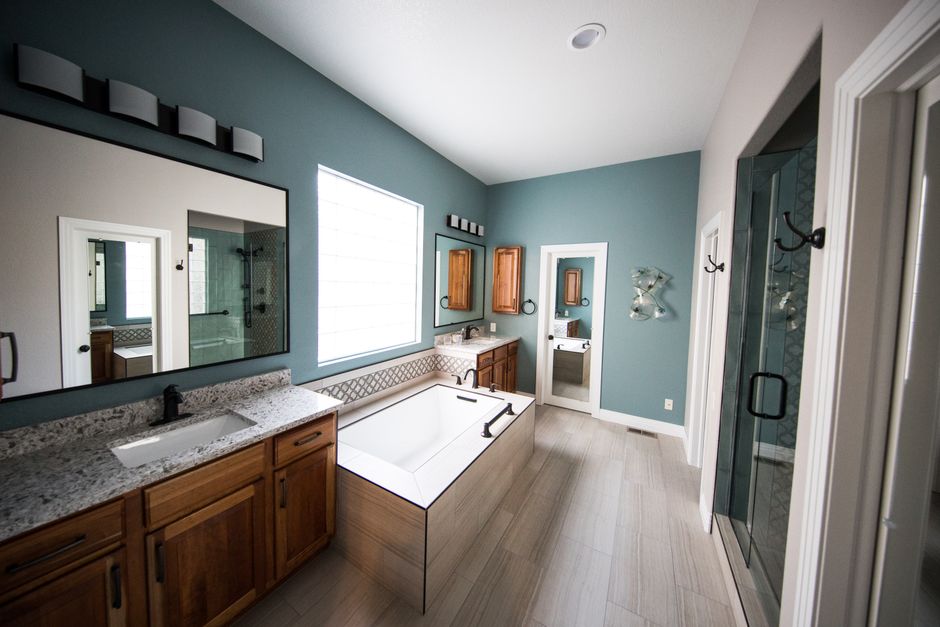
Bathroom remodel grants for seniors are available through programs such as USDA Section 504, VA housing and HISA benefits, some state Medicaid waivers, and local aging services. Eligibility depends on factors such as age, income, home ownership, disability, medical need, and location. Compare grants with loans, then contact the relevant program before starting work; approval and covered modifications vary.
Are there grants to remodel a bathroom for a senior?
Yes, but funding usually targets health and safety hazards or disability-related access rather than a general remodel. The right program depends on who owns the home, where it is, the homeowner’s income and age, and the resident’s medical or disability needs.
USDA Rural Development’s Section 504 program offers grants to remove health and safety hazards and loans to repair, improve, or modernize a home. A safety-focused bathroom project may qualify when Rural Development approves it. Applicants must own and occupy the home, be unable to obtain affordable credit elsewhere, and meet county income limits. For a grant, the homeowner must be at least 62 and meet the very-low-income limit.
The grant maximum is $10,000; the loan maximum is $40,000. They can be combined for up to $50,000. Section 504 loans have a fixed 1% interest rate and a 20-year term. A grant may need to be repaid if the home is sold within three years. These are distinct forms of help: a loan must be repaid under its terms, and a grant can carry a repayment condition.
Applications are accepted year-round through a local USDA Rural Development office. The agency advises contacting the office for prequalification and lists intake and application forms. For broader local referrals, the Administration for Community Living’s Eldercare Locator connects older adults and families with aging services, including Area Agencies on Aging. Programs and funding differ by location.
Does Medicare pay for a walk-in shower or bathroom remodel?
Original Medicare does not list structural bathroom remodeling as a covered home-health benefit. Its listed services include qualifying skilled nursing and therapy, intermittent home health aide care when connected to skilled services, durable medical equipment, and medical supplies.
Medicare Part B covers qualifying medical equipment ordered for home use. After the Part B deductible, the beneficiary generally pays 20% of the Medicare-approved amount. That equipment benefit is different from paying to rebuild a shower or alter the structure of a bathroom.
Home-health coverage also has eligibility rules. A person must need part-time or intermittent skilled services and meet Medicare’s homebound criteria; Medicare does not cover custodial or personal care when that is the only care needed. A bathroom project should therefore be assessed separately from any covered medical equipment or home-health services. See Medicare’s home health services coverage for the listed benefits and conditions.
Can seniors use a USDA grant to install bathroom safety features?
Yes, a senior homeowner can seek a USDA Section 504 grant for approved bathroom work that removes a health or safety hazard, if the household meets the program’s requirements. The grant is not automatic, and Rural Development must approve the work.
Start with ownership and occupancy: the applicant must own and live in the home. The household must meet county income limits, and applicants must be unable to obtain affordable credit elsewhere. For the grant specifically, the homeowner must be at least 62 and meet the very-low-income limit. A household that does not qualify for a grant can ask the local office about the loan option, which has its own eligibility rules.
Before applying, describe the safety problem and the proposed work in practical terms. Ask the USDA office what forms and documentation it requires, how it evaluates the project, and whether work must wait for approval. The Section 504 program page provides application information and directs applicants to local Rural Development offices for prequalification.
Does Medicaid pay for grab bars, a roll-in shower, or other bathroom modifications?
Sometimes; Medicaid coverage for bathroom modifications depends on the state program, the person’s eligibility, and an assessed need. Federal Medicaid rules allow states to design 1915(c) home- and community-based services waivers for eligible people who otherwise may require institutional care, but services and eligibility vary by state.
Some state waivers cover environmental accessibility modifications. They may require the work to appear in an individualized, person-centered plan of care, with medical or functional justification and prior authorization. Ask the state Medicaid program or the person’s care manager which waiver applies, whether the proposed feature is covered, and which providers can perform approved work.
New York offers one example, not a national rule. Its Community First Choice guidance lists roll-in showers or accessible tubs, grab bars, ramps, and widened doorways when an assessed health, safety, or daily-living need supports them and they are included in the plan of care. The guidance calls for clinical justification and documentation, and directs people to work with a care manager and Medicaid plan or local department. It says to explore other payment sources first and allows up to $15,000 per year without prior state approval, with possible exceptions for medical necessity. That amount applies to the New York program, not Medicaid nationwide.
Which source fits the bathroom need?
| Need or situation | Program to investigate | Key condition |
|---|---|---|
| Safety hazard in an owner-occupied home | USDA Section 504 | Grant requires homeowner age 62 or older and very-low-income eligibility; approval required |
| Disability-related adaptation for an eligible veteran | VA SAH or SHA grant | Qualifying service-connected disability and home ownership rules apply |
| Medically necessary alteration to essential bathroom facilities | VA HISA | Medical justification and VA eligibility; lifetime amounts differ by case |
| Grab bars or accessible shower under a state plan | Medicaid waiver or state environmental modification benefit | State-specific eligibility, assessment, plan, and authorization |
| Help locating community programs | Eldercare Locator or Area Agency on Aging | Local availability and funding differ |
For eligible veterans and service members with qualifying service-connected disabilities, VA Specially Adapted Housing (SAH) and Special Housing Adaptation (SHA) grants can help change a permanent home. For fiscal year 2026, the maximum SAH grant is $126,526 and the maximum SHA grant is $25,350. Eligibility depends on the disability criteria and available grant balance; qualifying recipients can use funds up to six times over a lifetime, subject to the total maximum. A temporary-residence adaptation grant may be available for a qualifying person staying in a family member’s home. Details and application routes are on the VA disability housing grants page.
VA’s HISA benefit addresses medically necessary alterations to a veteran’s primary residence for essential lavatory and sanitary facilities, including roll-in showers, and access to bathroom sinks or counters. The lifetime amount is $6,800 for specified qualifying service-connected conditions and certain related cases; $2,000 applies to other eligible disability cases. The VA HISA guidance advises contacting the local Prosthetic and Sensory Aids Service to determine available benefits. These figures and rules describe different programs; they are not interchangeable funding limits.
How should a caregiver prepare an application?
- Define the safety need. Write down the access barrier and the modification being considered, such as grab bars, a safer shower, or wheelchair access. Keep the request tied to the person’s health, safety, or disability-related need.
- Match the person and home to a program. Check USDA ownership, occupancy, age, income, and credit requirements; VA disability and home rules; or state Medicaid waiver eligibility. For local referrals, contact the Eldercare Locator by phone or text at 1-800-677-1116.
- Ask about the process before work begins. Contact the local USDA office, VA Prosthetic and Sensory Aids Service, Medicaid care manager or plan, or Area Agency on Aging. Confirm prior approval, covered work, contractor rules, forms, and whether other funding must be explored.
- Gather the requested records. Ask the program for its exact documentation list. Depending on the program, prepare to document home ownership and occupancy, income, the proposed project, and medical or disability-related need; New York’s guidance specifically calls for clinical justification and documentation.
- Compare the funding terms. Separate grants from loans, check maximums and repayment conditions, and wait for the program’s decision before relying on funds for a project.
Frequently Asked Questions
What bathroom improvements qualify for a VA grant?
Eligible VA housing grants can fund adaptations for qualifying service-connected disabilities, such as changes to improve access. HISA can cover medically necessary alterations to essential bathroom facilities, including roll-in showers, subject to eligibility and lifetime limits. Ask the local VA Prosthetic and Sensory Aids Service which benefit and requirements apply.
How do I find local grants or help for my parent's bathroom?
Contact the Administration for Community Living’s Eldercare Locator at 1-800-677-1116 by phone or text to find local aging services and Area Agencies on Aging. Availability and funding differ by location, so ask what home-safety programs and referrals are available. Also contact the relevant state Medicaid office or local USDA Rural Development office if those programs may fit.
Do bathroom grants cover cosmetic remodeling or only safety modifications?
Programs described here focus on health, safety, medical necessity, or disability-related access, not general cosmetic renovation. USDA Section 504 grants must remove health and safety hazards, while Medicaid environmental modifications need to address an assessed need. VA grants are for adaptations tied to eligibility and the veteran’s needs.
Sources
- USDA Rural Development — Single Family Housing Repair Loans & Grants (Section 504)
- Medicare.gov — Home Health Services Coverage
- U.S. Department of Veterans Affairs — Disability Housing Grants for Veterans
- U.S. Department of Veterans Affairs, Fayetteville Coastal Health Care — HISA
- New York State Department of Health — Guidelines for Authorizing Environmental Modifications
- Centers for Medicare & Medicaid Services — Home & Community-Based Services 1915(c)
- Administration for Community Living — Eldercare Locator
Read next

How do I qualify for the first home owners grant?
The first home owners grant generally supports eligible new-home purchases or builds, with state-specific amounts, caps and rules.

How Can I Find Government Grants for Housing?
Government housing grants are limited; find the right official agency for home repairs, rent assistance, and vouchers.
Are There Federal Grants for Home Repairs?
Federal grants for home repairs exist, but eligibility is narrow and much funding flows through state or local programs.

How Can I Grow Vegetables and Herbs in Pots on a Patio?
Choose patio crops by sunlight, pot depth, and drainage, then use simple watering strategies to keep vegetables and herbs growing on paved spaces.