
How Can I Grow Vegetables and Herbs in Pots on a Patio?
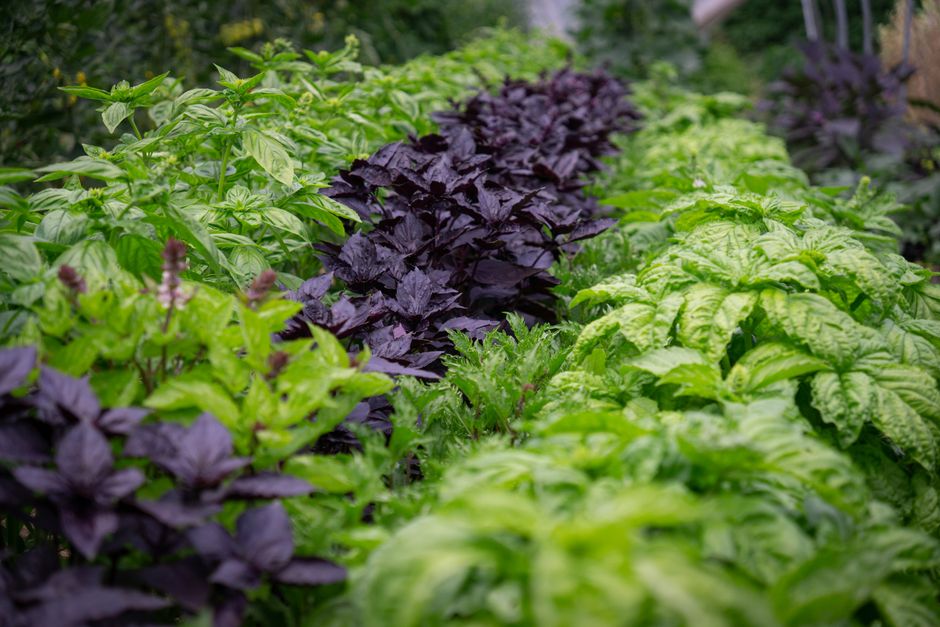
You can grow vegetables and herbs on a paved patio by matching each crop to a container with enough depth and growing mix, ensuring water can drain, and choosing plants for the light your patio gets. Fruiting crops such as tomatoes need sun and larger pots; many herbs and leafy greens fit smaller containers. Group pots near water, raise them off the paving, and check soil often in hot or windy weather.
What vegetables grow well in pots on a sunny patio?
Tomatoes, peppers, eggplant, cucumbers, beans, squash, carrots, radishes, kale, chard, spinach, lettuce, and herbs can all grow in containers. Oregon State University Extension Service lists these as container-friendly crops and notes that dwarf or miniature varieties suit tight spaces. Pick the crop to fit the space first; a compact variety is easier to place and support than a sprawling one.
Light sets the menu. According to the University of Maryland Extension, warm-season crops such as tomatoes, peppers, eggplant, and squash need 6–8 hours of direct sun. Lettuce, spinach, and Asian greens can grow with 3–5 hours. Oregon State similarly notes that fruit crops need 6–8 hours, while leafy and root crops tolerate some light shade.
A southern or western exposure is usually sunnier and warmer; northern and eastern exposures are shadier and cooler. That makes leafy greens and herbs useful choices where the sun is limited. On a small patio, use a vertical support for climbing beans or cucumbers, and group containers by water needs and sun exposure. Keep taller supports where they will not shade crops that need full sun.
Container size matters as much as the crop name. Oregon State says tomatoes, peppers, and eggplant need five-gallon containers, while the University of Maryland's broader container guidance recommends at least 8–10 gallons of growing medium for large vegetables such as tomatoes, peppers, eggplant, and cucumbers. These recommendations differ in scale. When space allows, follow the larger University of Maryland volume for those large crops; five gallons is Oregon State's stated minimum for tomatoes, peppers, and eggplant.
How deep do containers need to be for tomatoes and herbs?
For tomatoes and other large vegetables, provide 12–16 inches of depth and at least 8–10 gallons of growing medium as the University of Maryland Extension recommends. For small herbs and salad greens, it gives a smaller range: 1–3 gallons and 4–6 inches deep. Oregon State adds that ten-inch pots suit many herbs, parsley, and green onions.
Think in terms of both volume and depth. A wide, shallow pot can hold plenty of mix but still be too shallow for a large crop; a deep, narrow pot can offer depth without enough total growing medium. Match the container to the crop, and choose a lightweight potting mix rather than heavy garden soil, as Oregon State advises.
| Crop or group | Container guidance | Light guidance |
|---|---|---|
| Tomatoes, peppers, eggplant, cucumbers | At least 8–10 gallons and 12–16 inches deep; Oregon State specifies five gallons for tomatoes, peppers, and eggplant | 6–8 hours of direct sun for fruiting crops |
| Small herbs and salad greens | 1–3 gallons and 4–6 inches deep; a ten-inch pot suits many herbs | Leafy greens can manage with some shade |
Those figures are starting points from the cited extension guidance, not a reason to crowd plants together. Leave room for the plant and any support, and keep containers accessible for watering. Frequent watering can leach nutrients from container mix; the University of Minnesota Extension says fertilizer may be needed starting two to six weeks after planting, depending on the mix and plant growth.
Can I grow vegetables in pots directly on concrete?
Yes, vegetables can grow on a paved patio, but the pots should not sit in standing water or directly against a hot surface. Oregon State recommends raising containers on bricks or wooden slats. The University of Maryland also says pot feet or bricks help water drain. Elevating pots protects drainage flow and separates the container base from the paving.
Every growing container needs drainage holes or slits at the bottom. The University of Maryland is explicit: gravel or broken pottery placed in the bottom does not improve drainage. Use a suitable potting mix and let excess water escape through the holes. A saucer can catch runoff, but empty it after watering so the roots do not stay in water.
For pots without drainage holes, the University of Maryland recommends double-potting: set the plant in a removable inner pot, take it out to water, and empty the outer pot or saucer before returning it. This also gives you a practical way to manage runoff on a balcony above another home. Do not leave the inner pot sitting in collected water.
Concrete and other reflective surfaces can act as heat sinks around plants, and breezy, sunny spots dry containers faster. Material plays a role too: clay, ceramic, concrete, and wood containers dry faster than plastic or metal, according to the University of Maryland. Choose a larger pot when the crop allows, keep water close at hand, and check the mix rather than relying on a fixed schedule.
Water when the surface mix feels dry, then continue until water exits the drainage holes, as Oregon State advises. In hot, dry weather, some containers need daily watering; the University of Minnesota notes that small pots or high temperatures can mean watering more than once a day. Mulch reduces evaporation and moderates soil-surface temperature. Most container plants prefer moist, not soggy, soil.
Frequently Asked Questions
How do I keep patio containers from drying out so quickly?
Use larger containers where space allows, group pots near a convenient water source, and add mulch to reduce evaporation. Check the mix during hot or windy weather; some containers need watering daily or more than once a day. Water until it runs from the drainage holes, then empty the saucer.
How can I keep water from draining onto a downstairs neighbor's balcony?
Use saucers or trays to catch runoff, then empty them after watering so roots do not sit in water. For a pot without drainage holes, double-pot the plant: water it in a removable inner pot and return it to the decorative outer pot after excess water drains.
Sources
Read next
What Is the Cheapest Material to Use for a Backyard Patio?
Compare gravel, reclaimed pavers, and mixed patio layouts by cost, walking comfort, installation, and upkeep.