
What Is the Cheapest Material to Use for a Backyard Patio?
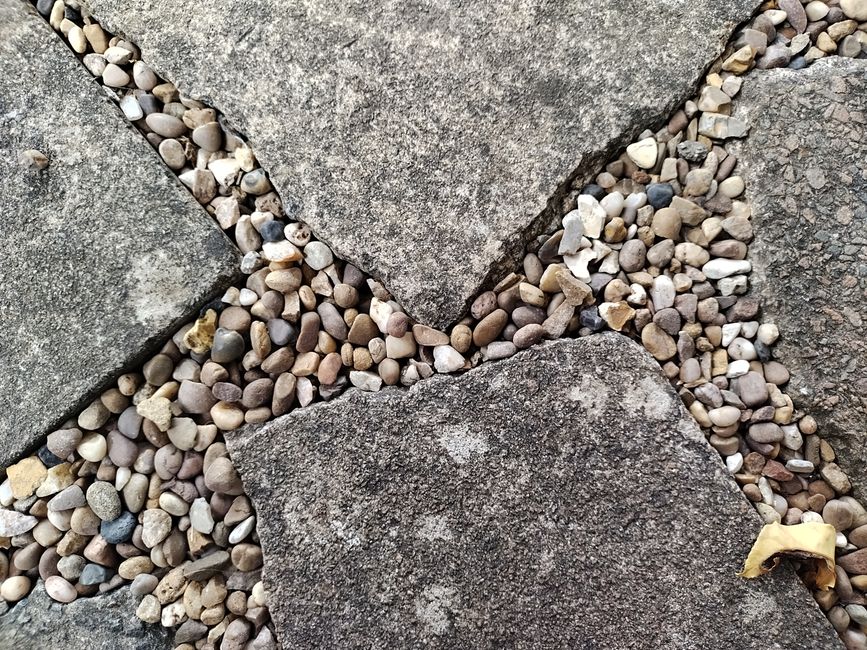
Compactable angular gravel is usually the lowest-cost starting point for a backyard patio because it is less expensive than concrete or pavers and suits DIY installation. Decomposed granite or another angular gravel makes a firmer walking surface than rounded pea gravel. Reclaimed pavers take more work to set, but provide a steadier surface for furniture and frequent foot traffic when laid on a compacted base with secure edges.
What is the cheapest material to use for a backyard patio?
Angular gravel is often the cheapest practical patio surface, especially when you can prepare and spread it yourself. The UC Master Gardener Program at the University of California Agriculture and Natural Resources describes gravel as generally less expensive than concrete or pavers, and suitable for DIY installation.
Cost is only one part of the choice. A loose surface can need more attention if stones migrate, furniture sinks, or walking feels uneven. Rounded river-run gravel, including pea gravel, does not pack into a solid surface. The UC guide notes that the stones slip and can be difficult to walk on or use furniture on.
For a patio that gets regular foot traffic, angular gravel is the stronger gravel option. Decomposed granite is one example: its pieces lock together as they are compacted. Smaller pieces are easier and more comfortable to walk on, according to the UC guidance.
Reclaimed bricks and pavers can reduce material spending when usable pieces are available, but the sources here provide no current prices or reliable comparison of reclaimed-material costs. Count the work and base materials as part of the budget. Oregon State University Extension recommends a compacted crushed-rock base, a sand bedding layer, and edge restraints for pavers; these parts take time and materials beyond the pavers themselves.
| Surface | Walking and furniture | Preparation and upkeep |
|---|---|---|
| Pea gravel | Loose and prone to slipping underfoot; less suited to furniture. | Use a border to contain it; seeds can still sprout on top. |
| Angular gravel or decomposed granite | Compacts into a firmer surface; smaller pieces are easier to walk on. | Prepare a firm base, use adequate depth, and add edging. |
| Reclaimed pavers or brick | More stable underfoot and for furniture when properly installed. | Needs a compacted base, bedding, and secure edge restraints. |
| Mixed materials | Can place firm paving where people walk or set furniture, with gravel elsewhere. | Every transition needs a clear boundary and sound preparation. |
The UC guide gives two inches as a practical minimum gravel depth and estimates that one ton covers about 80–120 square feet at that depth. Treat this as a planning estimate, not a guarantee for every site: the actual amount depends on the area and chosen depth. A border of plastic edging, rock, pavers, bricks, or lumber helps keep gravel from migrating.
Is pea gravel or crushed stone better for a patio?
Crushed, angular stone is generally better than pea gravel for a patio because it compacts into a firmer surface. Pea gravel is rounded and remains loose, which makes it less steady for walking and furniture.
The distinction is shape, not simply size. UC Agriculture and Natural Resources explains that angular gravel, including decomposed granite, packs down to create a nearly solid surface. That makes it a better match for paths and patios with more foot traffic. Smaller pieces also make walking easier and more comfortable.
Pea gravel has a different tradeoff. Its loose texture is not a firm floor, so chairs can shift and frequent walking can feel less secure. If the area is mainly decorative and the loose surface suits its use, it remains an option. For a dining area or a route used often, compactable gravel or paving is the more practical match.
Base preparation determines whether gravel behaves like a surface or a layer of loose stone. Set a firm, even base, spread the gravel to at least the UC guide’s practical two-inch minimum, then compact angular material. Add an edge so the surface does not creep into nearby lawn or planting beds. Fabric can suppress weeds growing up from below, but it will not prevent seeds that land on top from germinating.
Pavers demand a more exact build. Oregon State University Extension describes a base that accommodates 4–6 inches of compacted material, about one inch of sand bedding, and the paver thickness. The right base depth depends on soil and intended loads. Its guide recommends spreading and compacting crushed rock in three layers, and warns that without edge restraints pavers can move and separate, especially with harsh weather and high traffic.
For drainage, the Oregon State guide specifies a downward slope away from the house of one inch per four feet. That detail matters whether the surface is gravel or paving: water needs a route away from the building, and a flat-looking patio still needs deliberate drainage planning.
Can I build a patio cheaply without pouring concrete?
Yes. Gravel, reclaimed pavers, and combinations of the two can create a patio without a poured concrete slab. The lower-cost approach is to use a compactable gravel surface where a firm paved finish is not needed, then reserve pavers for the places that need stable footing.
A mixed layout can put angular gravel across the main area and reclaimed pavers under furniture or along a walking route. The materials solve different problems: gravel covers ground with less installation work, while pavers create a steadier surface. Keep the boundary between them secure so the gravel does not spill over the paving or into the yard.
Where pavers are used, measure the area and allow for cuts. Oregon State University Extension advises adding 5% to the measured area for cuts, or 10% where many cuts are expected. Its instructions also call for compacted crushed rock, sand bedding, and edge restraints. Those requirements apply to paver installation generally; reclaimed pieces still need to suit the layout and be set on a stable base.
Permeable pavers are another concrete-free option, though their installation can involve substantial excavation and stone. Arlington County’s residential guidance specifies a two-inch #8 stone bedding layer over a 6–12-inch #57 stone reservoir, with reservoir depth depending on infiltration test results. This is a specific permeable system, not a shortcut to the simplest or cheapest patio.
New Hampshire Department of Environmental Services gives another example for pervious pavers: at least 12 inches of washed stone and six inches of pea stone beneath the pavers, with excavation about 20 inches deep depending on paver type. It recommends testing soil infiltration; a rate of at least one-half inch per hour is appropriate for an infiltration practice. These designs show why “no concrete” does not always mean “little digging.”
Permeable surfaces also need attention after installation. Arlington County recommends annual checks for sediment, debris, ponding, clogging, and structural damage, along with sweeping away leaves and organic debris. The county notes that pavers can be replaced in sections as needed and that permeable paving reduces stormwater runoff. New Hampshire’s guide recommends seasonal and post-storm inspection, with washing or replacing pea stone and fabric if clogging occurs.
Grass pavers and geogrids filled with stone or soil are further stabilization options identified by New Hampshire DES. They can suit layouts where the goal is to hold material in place rather than create a conventional solid patio. The right choice follows the use: loose gravel for a simple surface, compacted angular stone for firmer walking, or restrained pavers where furniture and regular traffic call for more stability.
Frequently Asked Questions
How do I keep gravel from spreading into the lawn?
Install a clear border, such as plastic edging, rock, pavers, bricks, or lumber. The UC Master Gardener guidance says these borders help keep gravel from migrating. Fabric may suppress weeds from below, but seeds that land on top can still germinate.
Which low-cost patio surface is easiest to walk on and maintain?
Angular gravel such as decomposed granite compacts into a firmer surface than pea gravel, and smaller pieces are easier and more comfortable to walk on. Pavers create a more stable surface, but need a properly compacted base and secure edge restraints. Ease of upkeep depends on the site and the surface: gravel needs containment, while permeable paving needs checks for debris, ponding, and clogging.
Sources
- University of California Agriculture and Natural Resources, UC Master Gardener Program — Gravel Pathways in the Garden
- Oregon State University Extension Service — 10-Step Guide to Installing Pavers
- Arlington County, Virginia — Permeable Pavers and Surfaces
- New Hampshire Department of Environmental Services — Pervious Walkways and Patios
Read next
How Can I Grow Vegetables and Herbs in Pots on a Patio?
Choose patio crops by sunlight, pot depth, and drainage, then use simple watering strategies to keep vegetables and herbs growing on paved spaces.