
How Does Facebook Content Monetization Work in 2026?
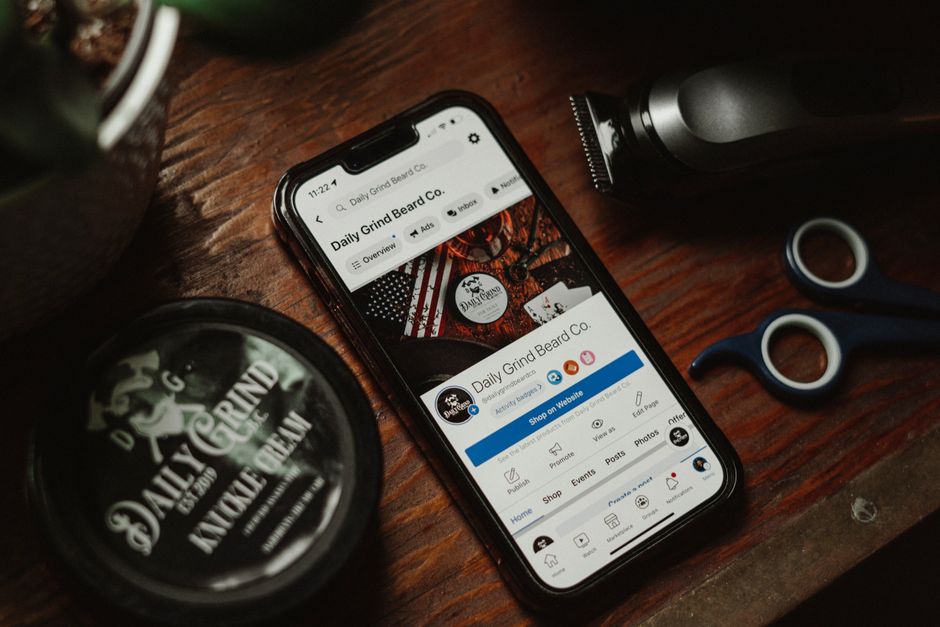
Facebook Content Monetization in 2026 is a performance-based program that can pay for eligible Reels, Stories, photos, and text posts, but access and earnings depend on your account and content. Check your status in the Facebook app’s Professional Dashboard, express interest there if the option appears, and use Qualified Views, Non-Qualified Views, and Earnings Rate to understand results—without treating total views or a fixed rate as a payout promise.
How do I check whether my Facebook account is eligible for monetization in 2026?
Check your account’s Monetization area in the Facebook Professional Dashboard; its status and policy messages are the best guide to your account’s current access. Meta directs creators to their account’s monetization surfaces to review eligibility and available tools, and notes that options and requirements can differ by tool and account.
Use this dashboard-first sequence:
- Open the Facebook mobile app and go to your Professional Dashboard.
- Open the Monetization area and review the tools shown for your account.
- Read any eligibility, policy, or restriction messages before acting.
- If a tool is unavailable, follow the account-specific next steps shown there and check again later.
This order prevents a common time sink: comparing your account with a creator who may have a different tool, rollout, or policy status. Meta’s monetization eligibility guidance points creators to those account surfaces. Treat generic follower or view thresholds posted elsewhere as unconfirmed unless your own dashboard identifies them as requirements.
Is Facebook Content Monetization still invite-only, and how do I express interest?
As reported in March 2026, Content Monetization remained invite-only, but creators could express interest through the Monetization area of the Facebook mobile app’s Professional Dashboard. Expressing interest is a request to be considered; it does not guarantee access or establish when an invitation will arrive.
Social Media Today reported that the program covers Reels, Stories, photos, and text posts, while Meta’s reported guidance emphasizes original content and discourages engagement bait. That makes the practical move clear: keep publishing original work, review policy messages, and use the dashboard’s interest option if it appears.
Do not confuse Content Monetization with Creator Fast Track. TechCrunch describes Fast Track as a separate offer for eligible creators with at least 100,000 followers on Instagram, TikTok, or YouTube: $1,000 monthly for three months, or $3,000 monthly for creators with over one million followers. Those stated conditions apply to that separate offer, not as universal Content Monetization eligibility rules.
| Program or metric | What it means | What not to assume |
|---|---|---|
| Content Monetization | Performance-based monetization for eligible content formats; reported invite-only as of March 2026. | That expressing interest guarantees an invitation. |
| Creator Fast Track | A separate offer with stated follower levels and monthly payments, as reported by TechCrunch. | That its follower criteria govern Content Monetization access. |
| Earnings Rate | Approximate earnings per 1,000 Qualified Views. | A guaranteed rate per 1,000 total views. |
What counts as a qualified view on Facebook, and why do some views not earn money?
A Qualified View is a view that may be eligible to earn; it is not the same as every view displayed on a post. TechCrunch reports that Meta’s example of a view that may not qualify is someone watching a video for only one second before swiping away. Social Media Today reports that repeat views and video views shorter than five seconds are excluded from qualified-view counts.
These descriptions show why a visible view count can exceed the activity used for monetization. A viewer can register in a public-facing count without producing a qualified view, and a qualified view still does not promise a specific amount. Use the dashboard’s Non-Qualified Views metric to investigate the gap rather than multiplying total views by an assumed rate.
For a quick diagnosis, compare the metrics in this order: first, check Qualified Views; second, review Non-Qualified Views for excluded activity; third, compare Earnings Rate. That sequence separates a reach issue from a qualification issue and an earnings-per-qualified-view change. It also gives you a more useful question to ask when performance shifts: “Did eligible views change, or did the approximate rate change?”
How does Facebook calculate the earnings rate per 1,000 qualified views?
Facebook’s Earnings Rate is an approximate earnings figure per 1,000 Qualified Views, not a fixed payout for every thousand total views. TechCrunch reports Meta’s description of the metric this way:
“A new ‘earnings rate’ metric will show approximate earnings per 1,000 qualified views.”
The distinction matters. If total views remain similar while qualified activity changes, estimated earnings can change. If Qualified Views are similar but the Earnings Rate moves, the dashboard is showing a change in approximate earnings per eligible views—not a guaranteed rate that can be applied to every post or creator.
Keep the performance-based model in view. Meta for Creators explains that account earnings are not represented by a universally guaranteed rate per 1,000 total views. TechCrunch also reports that Meta paid creators nearly $3 billion through monetization programs in 2025, 35% more than in 2024; 60% of that payout went to Reels, with the remainder going to Stories, photos, and text posts. Those program-wide figures describe reported payouts, not what an individual account should expect.
When results change, use the dashboard as a troubleshooting tool: compare Qualified Views, Non-Qualified Views, Earnings Rate, and any policy messages for the same period. For more context on why view counts can produce different earnings, see Why Do Short-Form Video Views Pay Different Amounts? This week, note which of those dashboard measures changed before changing your content plan.
Frequently Asked Questions
Do Reels, photos, Stories, and text posts all earn through Content Monetization?
The program covers Reels, Stories, photos, and text posts, according to Social Media Today’s report. Coverage does not mean every post or visible view earns; eligibility and performance determine whether activity qualifies.
Why did my Facebook monetization earnings change even though my views stayed similar?
Total views and Qualified Views are not the same measure, and the Earnings Rate is an approximate amount per 1,000 Qualified Views. Check the dashboard’s Qualified Views, Non-Qualified Views, and policy messages to see whether eligible activity or its approximate rate changed.
What should I do if the Monetization tab says my account is not eligible?
Review the account-specific policy and monetization messages in the dashboard, since they identify relevant restrictions or next steps. Available tools and requirements can differ by account and program, so do not assume a third-party follower or view threshold will resolve the status.
Sources
Read next

Where Can I Find Current Offers and Discounts—and Check They Work?
Find current store offers, check coupon restrictions, spot suspicious links, and compare the final checkout total before paying.
How do I test whether AI-assisted marketing workflows save time or improve results?
Build a fair AI marketing pilot with a baseline, measurable success criteria, and quality checks that reveal whether the workflow saves time or improves results

Why Do Meta, GA4, and Shopify Report Different Sales?
Separate store orders from attributed conversions, then reconcile reporting gaps with date ranges, event IDs, and consent settings.

Why Are Messages Missing From Meta Business Suite Inbox?
Troubleshoot missing Facebook and Instagram messages in Meta Business Suite by checking connections, permissions, and inbox views.