
How to Find and Vet a Landscaping Company
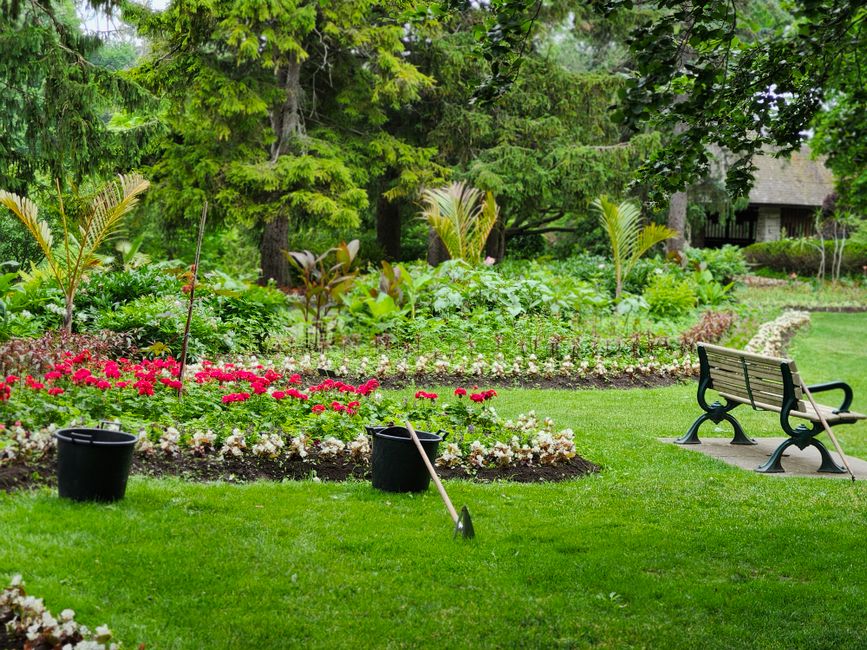
To find a trustworthy landscaper, define the work you want, compare local companies with experience in similar projects, check references and relevant credentials, and ask for proof of insurance. Get three or four written estimates based on the same scope and a site visit. Compare the work, materials, schedule, price, and payment terms—not just the bottom line—and put the final agreement in writing.
How do I find a trustworthy landscaper near me?
Start by naming the job before searching for a company. Landscape design, installation, routine maintenance, mowing, and debris removal are different services; a provider suited to one may not be the right fit for another. The University of Arizona Cooperative Extension recommends defining the project and getting estimates after the contractor has taken measurements and discussed plants that suit the site.
Next, build a short list of local companies with experience in the service you need. University of Florida IFAS Extension recommends researching local options and looking for relevant experience and references from clients with similar needs. Ask for examples of past work and contactable references. A useful script is: “Could you share references for projects like this one, and examples of comparable work?”
Use independent checks as well. The Federal Trade Commission (FTC) advises asking trusted people for recommendations, checking with consumer protection officials, and searching a contractor’s name alongside words such as “review,” “complaint,” or “scam.” Treat a recommendation as a lead, not as a substitute for checking credentials, insurance, and the written offer.
Licensing and certification depend on location and service. UF/IFAS, for example, describes Florida requirements tied to particular activities, including credentials for commercial fertilizer application and licensing for pesticide application. That example is not a universal rule: ask what applies to the exact work at your address, and verify relevant licenses with state or county government. Request proof of general liability and workers’ compensation coverage, too.
Before comparing prices, ask each company to inspect and measure the site. Then give each the same written scope: the areas involved, the tasks requested, the materials or plants under consideration, and any practical constraints you already know. A quote without a site visit or a clear description of work leaves too much room for different assumptions.
What should a landscaping estimate include?
A landscaping estimate should spell out the work, materials, timing, and total price clearly enough for you to compare it with another estimate. The FTC says a written estimate should describe the work, materials, completion date, and price. The University of Arizona Cooperative Extension adds a useful project-specific checklist: contact details, total cost including taxes, scope, schedule and dates, plant types and sizes with quantities and prices, payment terms, and warranty information.
Use the estimate as a comparison tool, not just a price tag. Check whether the same tasks, quantities, materials, and disposal or cleanup expectations appear in every proposal. If one estimate includes plant installation and another only lists plant costs, the totals do not describe the same job. Ask for the missing detail in writing before you compare.
Then move the agreed details into a written contract. The FTC advises including the contractor’s contact and license details, estimated start and completion dates, and promises about scope, labor, and materials. The Arizona guide also recommends asking about subcontractors, permits, payment expectations, and warranties. For cleanup, state what debris will be removed and what areas should be left clear; the sources do not prescribe a standard cleanup clause, so make the expectation explicit for your project.
Check payment terms before signing. The FTC says not to pay the full amount upfront. Ask when payments are due and what work each payment covers. If a proposal is unclear, use a direct request: “Please revise this estimate to show the work, materials, dates, total including taxes, payment schedule, and warranty terms.”
For a quick side-by-side review, use this source-based comparison:
| Option | Who it suits | Cost | Key limitation |
|---|---|---|---|
| Landscape design | Homeowners seeking a landscape plan | not published | not published |
| Installation | Homeowners seeking landscape installation | not published | not published |
| Maintenance | Homeowners seeking ongoing landscape care | not published | not published |
| Mowing | Homeowners seeking mowing service | not published | not published |
| Debris removal | Homeowners seeking debris removal | not published | not published |
The University of Arizona Cooperative Extension identifies these as distinct project needs, but the provided sources do not publish standard prices or comparative limitations. Get those details in written estimates for your property rather than relying on a generic price table.
How many landscaping quotes should I get?
Get three or four estimates when practical. NC State Extension recommends estimates from three or four landscapers to help gauge the cost of the desired work. The FTC also advises getting multiple estimates and asking about large price differences.
Make the comparison fair: invite each company to assess the same site and respond to the same scope. For each quote, check the specific work, materials, quantities, schedule, total price, payment terms, and warranty details. If one total is much higher or lower, ask what explains the difference. It may reflect different scope, experience, or material quality; NC State Extension cautions against automatically choosing the lowest estimate because experience and material quality can affect price.
Use a short interview to fill gaps: “What services do you provide for this project? What relevant certifications do you hold? Can you provide proof of insurance and references? Who will communicate schedule changes, and how does billing work?” These questions reflect NC State Extension’s suggested interview topics. The Arizona guide also recommends asking about subcontractors and permits.
Before choosing, compare the written terms—not verbal assurances alone. If an estimate omits dates, materials, payment details, or cleanup expectations, request a revision. A clear proposal lets you make a decision on the job being offered, rather than guessing what a low number covers.
Frequently Asked Questions
How can I check whether a landscaper is licensed and insured?
Ask which licenses or certifications apply to the specific services you are hiring for, then verify them with the relevant state or county government. Request proof of general liability and workers’ compensation coverage, and confirm requirements with your local authorities because rules vary by location and service.
What questions should I ask before hiring a landscaping company?
Ask whether the company has completed similar projects, can provide references and examples of past work, and can show relevant credentials and insurance. Clarify who will do the work, whether subcontractors or permits are involved, how communication and billing work, what the schedule and payment terms are, and what cleanup and warranty coverage the written agreement includes.
Put the process to work this week: write a one-page scope, contact local companies with relevant experience, and request three or four measured, written estimates. Compare the details line by line, then choose the proposal whose scope and terms you can explain clearly—not simply the one with the smallest number.
Sources
Read next

How Do I Find the Best Hospital for Knee Replacement Near Me?
Compare knee replacement hospitals using quality data, procedure experience, recovery planning, and confirmed insurance coverage.

How Can I Grow Vegetables and Herbs in Pots on a Patio?
Choose patio crops by sunlight, pot depth, and drainage, then use simple watering strategies to keep vegetables and herbs growing on paved spaces.
Can I Build a Patio on Sloped or Uneven Ground?
Learn how to terrace a sloped yard, keep gravel in place, and grade a patio so water drains away from the house.
How to Decide If a Scratch-and-Dent Mower Is Worth Buying
Check a scratch-and-dent mower’s price, damage, warranty, and return terms before deciding whether the discount is worth it.