
Can I Build a Patio on Sloped or Uneven Ground?
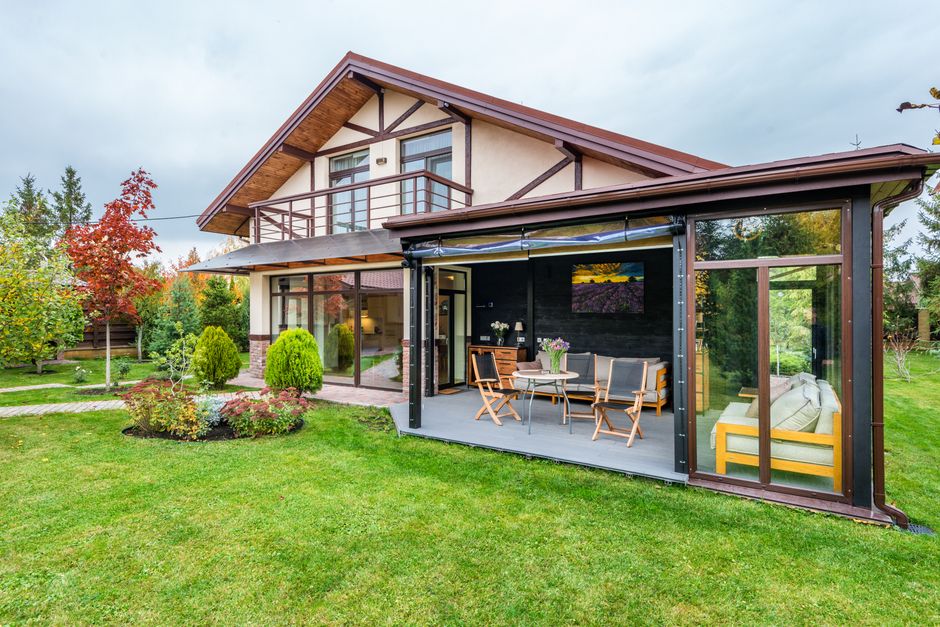
Yes. A patio can work on sloped ground when its layout manages the grade: use terraces or a properly supported cut-and-fill platform for level seating, and contain loose gravel with firm edge restraints or a grid. Measure the slope before choosing a design, then grade the finished surface away from the house. Colorado State University Extension gives 1% to 2% as an acceptable patio-terrace slope.
Can I put a patio on a sloped backyard without building a retaining wall?
Yes, if the slope and layout allow a stable level area without an unsupported drop. Options include several small terraces, a modest cut-and-fill platform, or a patio that follows the contour with steps between levels. A retaining wall is one tool, not the starting assumption.
Begin with the ground. Colorado State University Extension recommends assessing soil, drainage, low spots, erosion risk, and existing grading structures. Its landscape guidance says slopes above 10% are hard to walk on and need year-round plant cover to prevent erosion. That is a signal to treat a steep grade as a site-design problem, not simply cover it with patio material.
Terraces divide the change in height into usable spaces. Small retaining edges can hold each level, but they still need suitable foundations and drainage. A single cut-and-fill platform creates one larger flat area; it can require more soil movement and careful management of the edges. The University of Minnesota Extension advises limiting grading on slopes and minimizing cut and fill, since steeper slopes have greater erosion potential.
Where a wall is needed, its size and construction matter. Colorado State University Extension's PlantTalk guidance says wall design must account for material, placement, drainage, foundation, batter, and anchors. It notes that water or soil moisture building up behind a wall creates pressure and is a common cause of wall failure. Gravel backfill, a drainage blanket, or drain pipes can help water escape. Steep grades, signs of erosion, or a wall holding substantial soil call for qualified local assessment; check local building requirements with the building department.
How do I stop pea gravel from washing downhill?
Contain pea gravel with a stable border or a grid, and avoid treating loose stone as a level surface on a slope. A patio needs both a firm boundary and a way to manage water so runoff does not carry the material downhill.
Clemson Cooperative Extension says a grid system can support and hold loose materials such as gravel in place. Use it within a defined patio area, with edging that stops the gravel from spreading at the downhill side. The border must be secure enough for the site; a loose row of stones does not restrain a moving bed.
For pavers, the base is as important as the surface. Oregon State University Extension recommends a compacted base of 4 to 6 inches, with about 1 inch of sand bedding. Crushed rock such as 3/4-minus gravel is identified as a base material; spread and compact it in several layers rather than placing it all at once. Soft clay subsoil can call for a thicker base.
Edge restraints keep pavers from moving apart. Oregon State's guide describes them as essential because unrestrained pavers can shift and separate. This matters on any patio, and particularly where gravity and flowing water pull materials toward the low side. For a walking route across a hillside, the University of Minnesota Extension recommends following the contour when possible; a direct route up or down a slope calls for steps.
Permeable surfaces can also help manage runoff. Clemson Extension explains that hard, impermeable surfaces can hold water against a foundation if poorly graded, while permeable surfaces let rain soak into the ground and can reduce standing water and erosion from runoff. That benefit depends on placing and grading the patio so water does not flow toward the house.
How much slope should a patio have for drainage?
A patio surface should slope away from the house; for a paver patio, Oregon State University Extension specifies 1 inch of fall for every 4 feet, or about 2.08%. Colorado State University Extension lists 1% to 2% as an acceptable slope for a patio-terrace. These are close but not identical recommendations, so use the paver guidance for that surface and confirm the overall site plan for local conditions.
Measure the ground before setting the patio height. A straight board or level reference between two points can help establish the rise or fall, but the key planning question is where water will go once the patio is built. Mark the house edge and the downhill edge, then check that the finished surface falls away from the foundation rather than forming a low spot beside it.
| Planning item | Guidance from the sources | Why it matters |
|---|---|---|
| Patio-terrace slope | 1% to 2% (Colorado State University Extension) | Provides a sloped surface while retaining a usable patio area. |
| Paver fall away from the house | 1 inch per 4 feet, about 2.08% (Oregon State University Extension) | Directs surface water away from the house. |
| Compacted paver base | 4 to 6 inches, plus about 1 inch of sand bedding (Oregon State University Extension) | Builds support beneath the pavers; soft clay may need a thicker base. |
| Walking slope | Above 10% is hard to walk on (Colorado State University Extension) | May require a different layout, such as contour-following paths or steps. |
These figures describe different parts of the job. The patio's surface fall directs water, while the base thickness supports pavers and the site's broader grade shapes the layout. Do not use a level seating area as a reason to send runoff toward the house. If the yard's water path is unclear, or the project changes how water flows near the home or a slope, get a site-specific assessment before building.
Frequently Asked Questions
Is a terraced patio better than one large retaining wall?
Terracing divides a grade change into smaller level areas, while one wall holds back a larger change in elevation. The better choice depends on the slope, soil, drainage, and layout. Retaining walls need sound foundations and a way to drain water from behind them.
What patio materials work best on uneven ground?
Pavers on a compacted crushed-rock base can form a level surface, while gravel or crushed shell can suit walking areas when contained by edge restraints or a grid. Permeable pavers and spaced paving stones let water pass between units. Material choice does not replace grading and drainage planning.
Sources
- Colorado State University Extension, Water-Wise Landscape Design Steps
- Oregon State University Extension, How to Install Pavers
- Colorado State University Extension, PlantTalk Colorado: Retaining Walls—Design Considerations
- Clemson Cooperative Extension, Home & Garden Information Center: Consider Using Permeable Surfaces When Hardscaping Your Yard
- University of Minnesota Extension, Minimizing Runoff from Shoreland Property
Read next
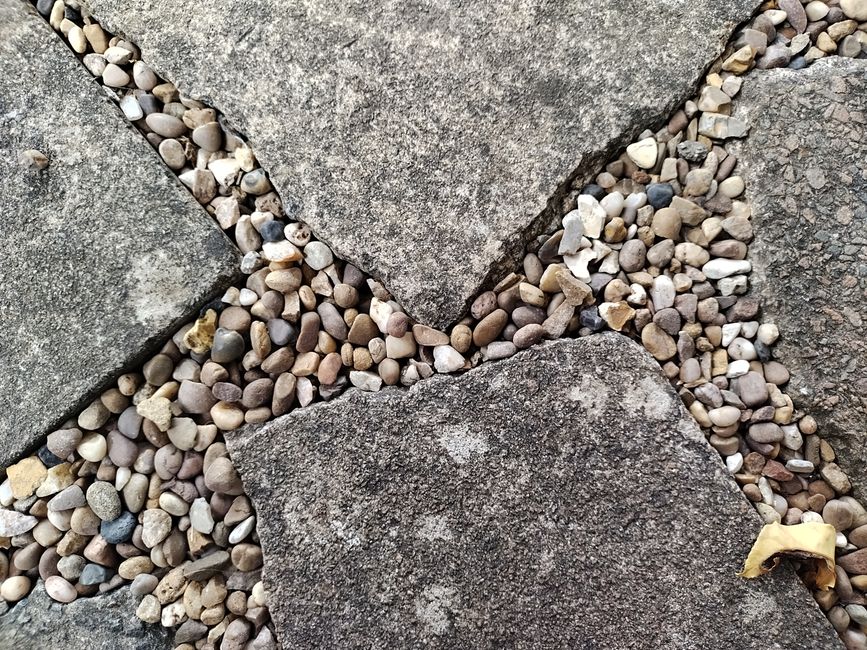
What Is the Cheapest Material to Use for a Backyard Patio?
Compare gravel, reclaimed pavers, and mixed patio layouts by cost, walking comfort, installation, and upkeep.
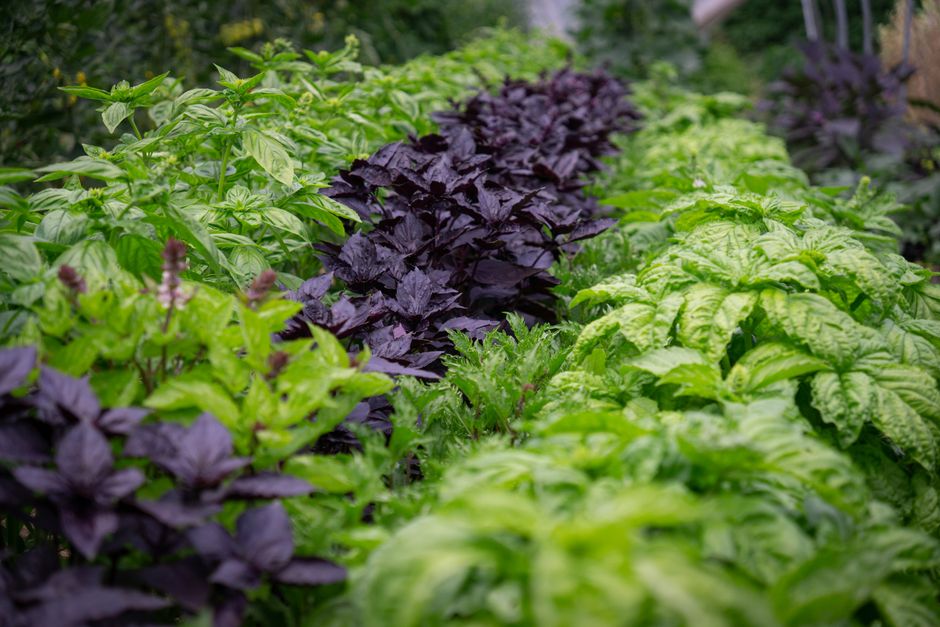
How Can I Grow Vegetables and Herbs in Pots on a Patio?
Choose patio crops by sunlight, pot depth, and drainage, then use simple watering strategies to keep vegetables and herbs growing on paved spaces.