
Is There a Government Grant for Windows?
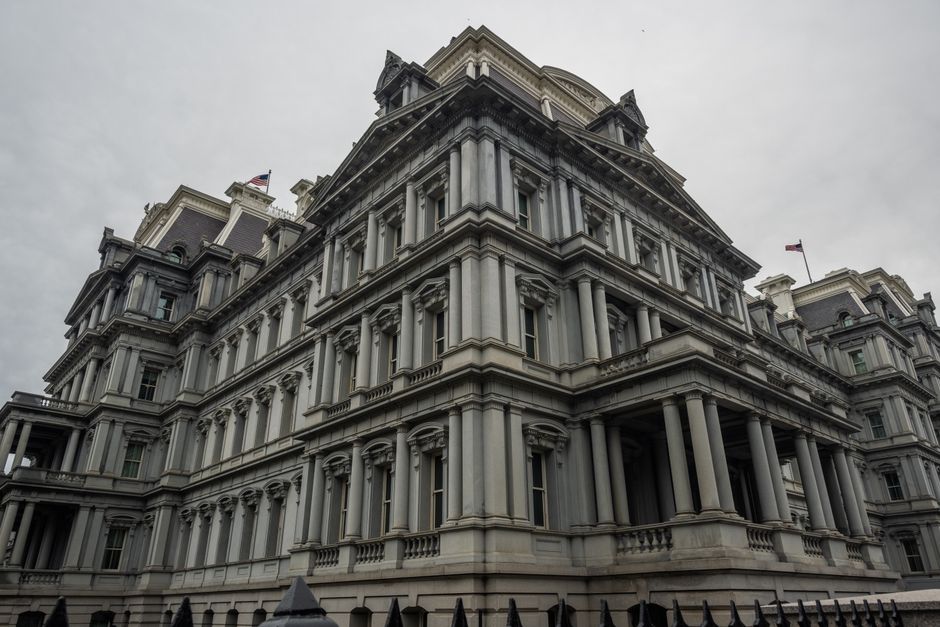
A government grant for windows is not a guaranteed benefit, but eligible households may receive window repairs or replacement through the Weatherization Assistance Program when an energy audit selects that work. Some rural homeowners may also qualify for USDA repair assistance, including grants limited to health and safety hazards. Eligibility and approved work depend on program rules, the home, and available funding.
Is there a government grant for windows, or are those ads misleading?
There is no universal federal window grant that promises new windows to every applicant. The Weatherization Assistance Program (WAP) can include window repair or replacement, but it funds a package of home energy improvements selected after an assessment, not a guaranteed window benefit.
The distinction matters when an advertisement promises “free windows.” A legitimate program has eligibility rules, an application process, and a review of the home. A tax credit or loan is also different from a grant or weatherization service: the USDA Section 504 program, for example, offers loans to eligible homeowners and grants only for specific health and safety hazards.
According to the U.S. Department of Energy’s Whole-House Weatherization guidance, possible building-shell measures include repair or replacement of primary windows and doors, storm windows and doors, window film, solar screens, and air sealing. The list describes possible work, not a promise that every home receives it.
For rural homeowners, USDA’s Single Family Housing Repair Loans & Grants offers another route. Applicants must own and occupy a home in an eligible rural area, meet county income limits, and be unable to obtain affordable credit elsewhere. USDA grants are for very-low-income homeowners age 62 or older and must remove health and safety hazards; ask the local Rural Development office whether a particular window repair meets that rule.
Can the Weatherization Assistance Program pay to replace my windows?
Yes, WAP can pay for window work when the audit identifies it as an appropriate, cost-effective measure for the home. The program evaluates the building envelope and major energy systems together, so the audit can select other work instead.
The DOE says an auditor reviews energy bills, conducts a blower-door test, and inspects the home. The auditor then recommends “the most cost-effective energy conservation measures for your home.” That scope may include window repairs, but it may prioritize air sealing, insulation, or another measure based on the assessment.
Some homes also need repairs before energy-efficiency work can proceed. DOE says providers may defer a home when necessary repairs create a barrier, and providers can combine other federal, state, and local funds to address barriers. Ask the provider what the audit found and whether a deferral or another funding source applies.
WAP is a limited service, not a cash payment to use at your discretion. The DOE’s October 2024 briefing book reports that nearly 700 local providers deliver services and serve an average of 35,000 homes annually using DOE appropriations. Those figures describe program scale; they do not establish a local wait time or guarantee an individual application will be funded.
Who qualifies for free window repairs or replacement through weatherization?
Households can qualify for WAP under income guidelines, but meeting an income rule does not guarantee window work or immediate service. DOE guidelines generally include households at or below 200% of the federal poverty guidelines or households receiving Supplemental Security Income; states may instead use LIHEAP criteria of 60% of state median income.
Priority can go to households with an elderly member, a person with a disability, or children, as well as homes with high energy use or a high energy burden. Local providers administer applications, and eligible households can be placed on a waitlist. The DOE’s October 2024 briefing book notes that more than 39.5 million households met the income criteria it cited, while not all eligible homes were suitable for weatherization.
Homeowners and renters can apply. For a rental unit, the provider coordinates with the tenant and landlord; DOE rental-unit guidance requires written permission from the owner or authorized agent before work starts. Procedures must also protect tenants from rent increases attributable to weatherization for a reasonable period and ensure benefits primarily accrue to low-income tenants.
Local rules differ because states set program procedures and can use different income criteria. The federal guideline is a starting point, not a substitute for checking the state or local provider’s current rules.
How do I find and apply to my local weatherization agency?
Start by contacting your state weatherization administrator or local WAP provider. The U.S. Department of Energy’s How to Apply for Weatherization Assistance page directs applicants to those offices and explains the general eligibility and application process.
- Find the administering office. Contact the state weatherization administrator or ask for the local provider that serves your area.
- Check the local eligibility rule. Ask whether the state uses the general federal poverty guideline or LIHEAP income criteria, which household members or circumstances receive priority, and whether the provider has a waitlist.
- Gather income records. Providers commonly request proof of income for the prior year, such as pay stubs or Social Security payment records. Ask which documents the local office accepts and whether it needs other records.
- Submit the application and respond to follow-up requests. An eligibility decision does not itself determine which improvements the home will receive.
- Arrange the home assessment. The professional auditor reviews bills and the home. If you rent, the provider must work with your landlord to obtain permission before work begins.
Keep the application and audit stages distinct. First the provider determines whether the household qualifies; then the home assessment sets a recommended scope. A waitlist can affect timing, and the scope can select measures other than windows.
Frequently Asked Questions
Will an energy audit guarantee that my old windows get replaced?
No. A weatherization audit assesses the home and recommends the most cost-effective energy measures. The selected work can include window repair or replacement, but it can instead focus on air sealing, insulation, or other measures.
Can renters apply for window assistance, or does the landlord have to apply?
Renters may apply for weatherization, and the provider works with the tenant and landlord. DOE guidance requires written permission from the owner or authorized agent before work begins.
Are there grants for seniors who need safer or warmer windows?
USDA Section 504 grants are for very-low-income homeowners age 62 or older and must address health and safety hazards. Window work is not automatically covered, so applicants need to confirm whether the specific repair qualifies.
What options are available if I do not qualify for a window grant?
Check whether your household qualifies for weatherization under your state's income rules, since states can use different eligibility criteria. Eligible rural homeowners can also ask USDA about its repair loan program, while any grant assistance is restricted to qualifying health and safety hazards.
Sources
- U.S. Department of Energy — How to Apply for Weatherization Assistance
- U.S. Department of Energy — Whole-House Weatherization
- U.S. Department of Energy — Weatherization Assistance Program Briefing Book (October 2024)
- USDA Rural Development — Single Family Housing Repair Loans & Grants
- U.S. Department of Energy — Weatherization Program Notice 22-13: Weatherization of Rental Units
Disclaimer: This article is for general information only and is not medical advice. It is not a substitute for diagnosis or treatment by a qualified healthcare professional. Always speak to your doctor before acting on anything you read here.
Read next

How do I qualify for the first home owners grant?
The first home owners grant generally supports eligible new-home purchases or builds, with state-specific amounts, caps and rules.
How Can I Use Denture Adhesive Safely Without Hiding Loose Dentures?
A senior-focused guide to safe denture adhesive use, daily removal, product formats, and signs that loose dentures need professional care.

How Can I Tell Neuropathy Symptom Relief From the Evaluation I Need?
How to separate neuropathy pain relief options from the medical evaluation needed for burning, tingling, or numb feet.

What Oxygen Level Is Normal for Someone With COPD?
Learn how to interpret home oxygen readings with COPD, repeat an uncertain result, and know when symptoms call for immediate care.