
Which Patio Shade Option Is Best for Your Yard?
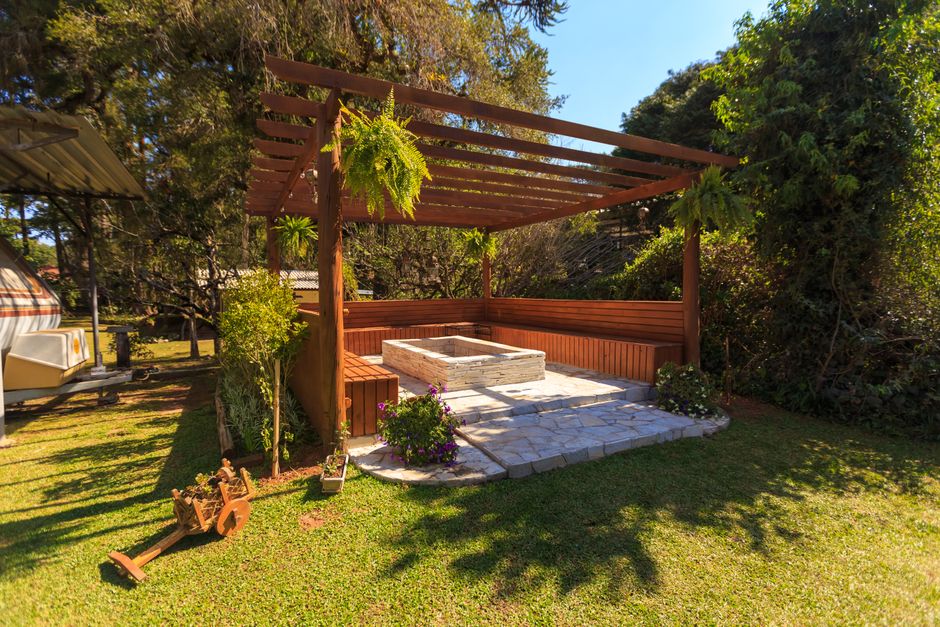
For a west-facing patio, prioritize shade that blocks low afternoon sun from the west or southwest: combine overhead coverage with a side screen or awning where needed. Choose an umbrella for flexible, localized shade; a retractable awning for house-side coverage; a pergola for a fixed frame that can take adjustable cover; or a shade sail if you have secure anchor points. Match the choice to wind exposure, installation limits, and the area you need covered.
What is the best way to shade a west-facing patio?
The best way to shade a west-facing patio is to block the late-day sun from the west and southwest, not just the sun directly overhead. That changes the buying decision: a large canopy can shade the table at noon and still leave people squinting when the sun drops.
The National Renewable Energy Laboratory’s Building America report says west and southwest shading is especially important for blocking peak summer solar gain in late afternoon. Use that direction as your first planning check. Stand where you sit in the afternoon and identify which edge the sun reaches across; then prioritize shade on that side.
Match the structure to the footprint. An umbrella gives you movable, targeted shade for a table or seating group. A house-mounted retractable awning can shade the patio edge beside the home and, according to the U.S. Department of Energy and Oak Ridge National Laboratory, exterior awnings also reduced solar heat gain in a tested Atlanta residence. That field test recorded average daily energy savings of about 4.5 kWh, or 15.5%, compared with no shade. Those findings concern the tested home and setup; they are not a guarantee of the same savings at every house.
For broader coverage, compare a pergola with a retractable canopy or side shade, and a shade sail spanning the area. A practical sequence is simple: map the afternoon sun, mark the area people actually use, then price shade for that area plus the supports and installation it requires. If you are also planning the patio surface, see What Is the Cheapest Material to Use for a Backyard Patio?
Will a pergola block enough afternoon sun?
A pergola blocks enough afternoon sun only if its cover and orientation address the sun’s angle; an open overhead frame by itself may leave low west-facing rays coming in from the side. Treat the frame as a support system, then decide whether you need a retractable canopy, louvers, or a vertical screen as well.
Fixed overhead coverage is useful when you want a defined shaded zone. Adjustable cover has a different advantage: you can open it when you want sunlight and close it when the patio needs protection. A vertical awning can add side shade, a useful pairing for late-day sun. The manufacturer weinor describes one retractable pergola-awning system with optional vertical awnings, allowing overhead and side shade to be combined. Its listed maximum width of 7 m and projection of 6.5 m are specific to that product, not standard dimensions for pergolas generally.
Use a shade sail when you need a canopy over a selected area and have places to anchor each corner. Mississippi State University Extension advises measuring the intended area before buying and securing sturdy support posts in concrete so they can withstand wind. That makes a sail a poor fit for a site with no practical anchor points, even if the fabric itself looks like a simple solution.
For a rental or a patio where permanent house attachment is not possible, a freestanding umbrella is usually the more straightforward starting point because it does not require drilling into the home. A sail may still work with ground-set posts, but those supports need secure installation. Decide first whether you can anchor a structure; then choose the coverage style.
Are retractable awnings safe in windy conditions?
Retractable awnings are not automatically safe in every wind condition; safety depends on the particular product, its installation, and the conditions at your home. Check the manufacturer’s operating instructions and wind rating, and retract the awning when conditions exceed its limits.
Wind ratings are model-specific. For example, weinor states that its PergoTex II system has been tested for winds up to Beaufort force 6. That figure applies to that named product and should not be transferred to other awnings, pergolas, or shade sails. Ask for the exact product documentation before relying on a rating.
Also account for local hazards before choosing any outdoor structure. University of Minnesota Extension recommends considering severe storms, wind, and hail when planning outdoor spaces. A fixed frame may offer dependable everyday coverage, but it still has to suit the site and be installed according to its specifications. A retractable option gives you a way to remove the canopy from exposure; it does not remove the need to follow the product’s wind guidance.
Use this quick comparison to narrow the choice. Cost is intentionally described as something to compare rather than a fixed ranking: the supplied research does not provide comparable purchase prices for these four options.
| Option | Coverage fit | Installation and wind check | Best use case |
|---|---|---|---|
| Umbrella | Localized, movable shade | Needs a suitable base; check product instructions and wind exposure | Flexible shade or a patio without house attachment |
| Retractable awning | House-side patio coverage; can reduce sun at adjacent windows | Requires suitable installation; follow the model’s wind limits | Coverage beside a home that can be opened or retracted |
| Pergola with adjustable cover | Defined overhead zone; vertical shade can help with low sun | Plan the structure and any side screens for local hazards | A more permanent patio zone with adjustable shade |
| Shade sail | Can span a measured area | Needs an anchor at each corner; posts must be sturdy and secured | A site with secure ground or building anchor points |
Frequently Asked Questions
What patio shade option covers the largest area for the money?
There is no universal cost-per-square-foot winner in the provided sources, and prices vary by size, materials, and installation. Compare quotes for the area you actually need, including supports and anchoring; a shade sail can span a defined area but needs secure anchors at each corner.
How can I add shade without drilling into my house?
Use a movable umbrella with a stable base for flexible shade, or consider a shade sail attached to sturdy ground-set posts. Mississippi State University Extension says sails need an anchor at each corner and advises securing posts in concrete, so a sail is not an anchor-free option.
Before you buy, note where afternoon sun enters, measure the seating area, and check what can be safely anchored. That short site check will tell you whether the priority is side shade, flexible coverage, or a fixed overhead zone.
Sources
Read next
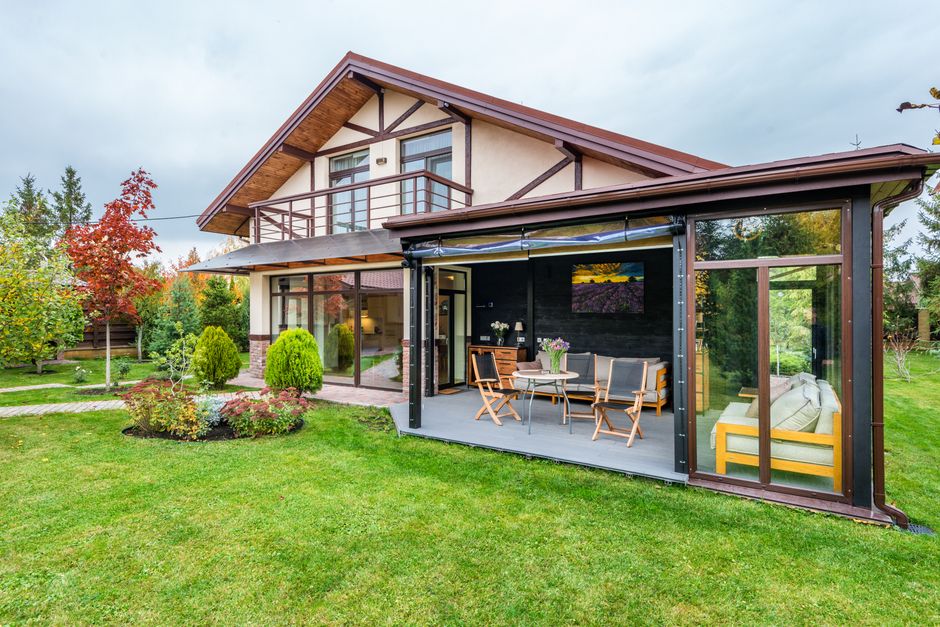
Can I Build a Patio on Sloped or Uneven Ground?
Learn how to terrace a sloped yard, keep gravel in place, and grade a patio so water drains away from the house.
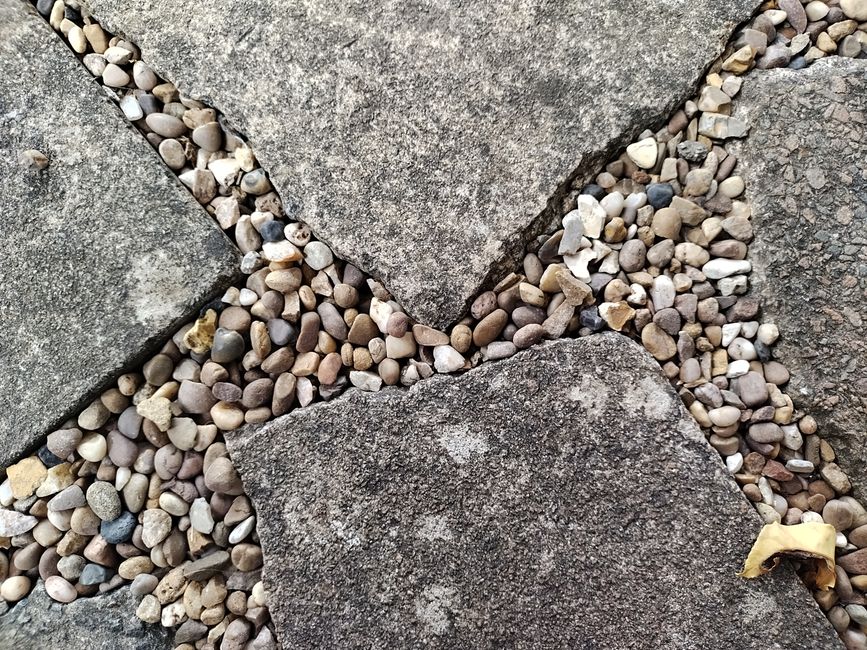
What Is the Cheapest Material to Use for a Backyard Patio?
Compare gravel, reclaimed pavers, and mixed patio layouts by cost, walking comfort, installation, and upkeep.

How Can I Grow Vegetables and Herbs in Pots on a Patio?
Choose patio crops by sunlight, pot depth, and drainage, then use simple watering strategies to keep vegetables and herbs growing on paved spaces.
How Can I Use Denture Adhesive Safely Without Hiding Loose Dentures?
A senior-focused guide to safe denture adhesive use, daily removal, product formats, and signs that loose dentures need professional care.